
Chinese Researchers Achieve a Breakthrough in Spatial Functional Genomics
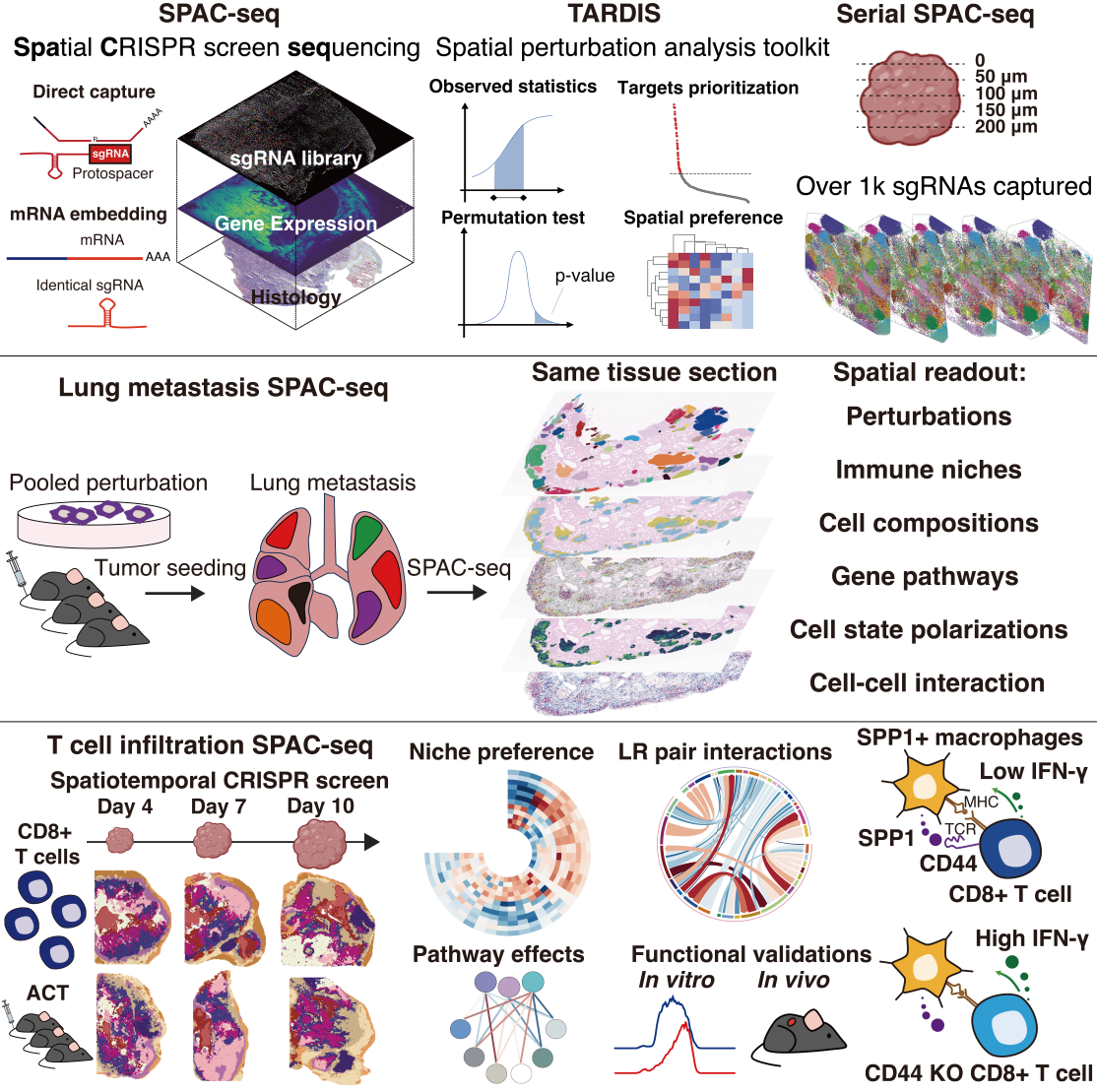
Figure 1: Design and experimental workflow of SPAC-seq
With support from the National Natural Science Foundation of China’s Major Research Plan "Digital Decoding of Immunity" (Grant No. 92374116), a research team led by Zexian Zeng at the Academy for Advanced Interdisciplinary Studies, Peking University, in collaboration with Deng Pan’s team at the School of Basic Medical Sciences, Tsinghua University, and Yu Feng’s team at BGI Research, has achieved a significant breakthrough in developing and applying novel spatial functional genomics technologies. The findings, titled "Uncovering Spatially Resolved Functional Genomics with CRISPR Screen Sequencing," were recently published in the journal Cell. Paper link: https://doi.org/10.1016/j.cell.2026.04.049. Data portal: https://spac.pku-genomics.org
Spatial transcriptomics enables the in situ mapping of gene expression across tissues, providing a powerful tool for deciphering cellular composition and microenvironmental interactions within complex tissues. However, directly linking these spatial expression patterns to gene function and regulatory mechanisms has remained a critical challenge that has constrained the advancement of spatial omics. Meanwhile, fields such as tumor immunology and developmental biology demand new technologies capable of simultaneously resolving the relationships among genetic perturbations, cellular states, and spatial location, thereby generating valuable data resources for decoding complex biological systems—particularly immune microenvironments. To address this challenge, the team developed SPAC-seq (Spatial CRISPR sequencing) (Figure 1). This technology achieves, for the first time, the synchronous measurement and integrative analysis of high-throughput genetic perturbation screening and high-resolution spatial whole-transcriptome profiling on a single tissue section. By deeply integrating CRISPR screening with spatial transcriptomics, SPAC-seq not only reveals "what changes occur" following gene perturbation, but also pinpoints "where these changes occur", how they influence neighboring cells, and how they reshape the local microenvironment. The team anticipates that this technology will enable the large-scale generation of high-dimensional spatial functional genomic data, providing an essential data foundation for the systematic dissection of tumor immune microenvironments, cell-cell interaction networks, and immune evasion mechanisms.
Using this method, the team identified multiple key functional genes and pathways within the tumor immune microenvironment. Their results demonstrate that Intercellular Adhesion Molecule-1 (ICAM1) is a critical auxiliary molecule that regulates MHC-TCR (Major Histocompatibility Complex–T Cell Receptor) interactions, and that its functional loss significantly impairs T cell activation and antitumor immune responses. Additionally, the study reveals that the signaling axis formed by Secreted Phosphoprotein 1 (SPP1) and its receptor CD44 mediates interactions between tumor-associated macrophages and T cells, thereby suppressing immune function. These findings offer new perspectives for understanding tumor immune evasion mechanisms and are expected to provide important leads for developing novel tumor immunotherapeutic strategies.
Contact Us

National Natural Science Foundation of China
Add: 83 Shuangqing Rd., Haidian District, Beijing, China
Postcode: 100085
Tel: 86-10-62327001
Fax: 86-10-62327004
E-mail: bic@nsfc.gov.cn